

Signs help businesses share information and make a strong first impression. However, not all signs have the same look or feel. Flat signs offer a simple, smooth surface. If you are considering routed signage, it can add depth and dimension that can make a sign more eye-catching. These details can help your Utah business stand out in a busy storefront crowded commercial space. Understanding the differences between these sign styles can help you choose the right option for your needs.
If you want a sign that adds character to your space, routed signage may be worth considering. Its raised or carved details can create a more custom look that meshes perfectly for your brand. Artistic Wholesale Printing & Framing in Salt Lake City helps businesses explore signage options that suit their goals. See why it could be a superior choice for your business.
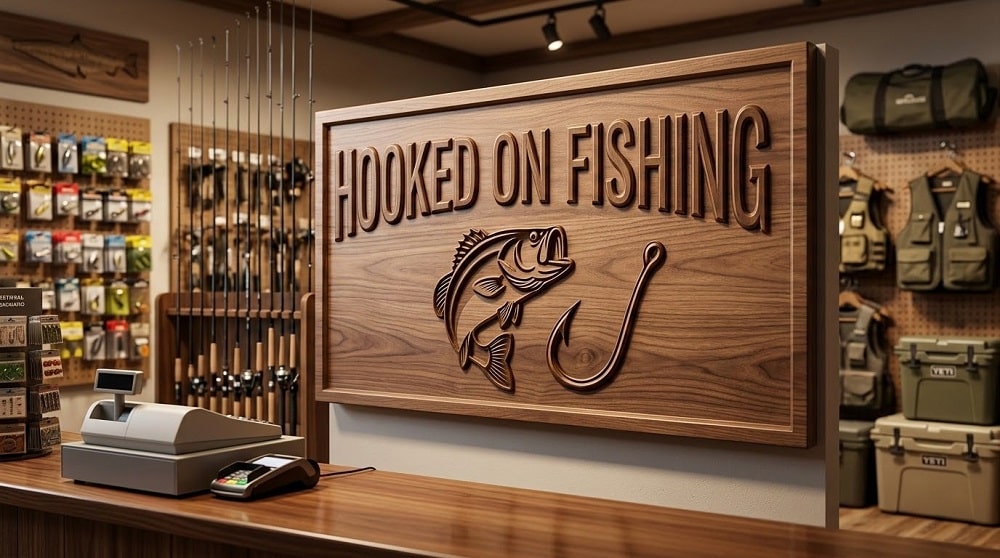
Table of Contents
- Understand the main differences between routed and flat signs.
- Discover how routed signage creates a dimensional look.
- Learn what affects a sign’s durability.
- Explore when routed signs work best for businesses.
How Routed Signs Differ From Flat Signs
The main difference between routed signs and flat signs is how their designs are created. Flat signs have a smooth surface where graphics or text can be easily added. Routed signs are made by cutting into a material to create a 3D effect. You can create patterns or even logos with more depth and character.
Both options can display a business name or logo. However, they create different effects. Flat signs are good if you want a clean or straightforward appearance. It works well for many Utah business settings. Routed signage provides a more dimensional look that can make your business stand out from others.
There isn’t a right or wrong choice. You do want to think about the message you’ll share and where the sign will be displayed. A simple flat sign may be enough for basic directions, while a routed sign can make a stronger impression in a reception area or storefront.
How Depth and Texture Shape Sign Design
One of the biggest advantages of routed signage is its dimensional appearance. It’s something you’ll immediately notice when walking by. You’re not relying only on printed graphics. Routing cuts into a material to create recessed areas or custom shapes. These details give the design more depth and make it feel more substantial. It almost creates a certain identity for your brand.
Texture also plays a role in the finished look. A routed sign can feature smooth edges or contrasting surfaces. Lighting can make these features even more noticeable by creating shadows around the routed areas. The possibilities are really endless. Flat signs rely more on colors and printed details to attract attention. They can still look professional and polished, especially when the design uses clear lettering and strong contrast.
The setting is imperative when you’re thinking about which sign to go with. A dimensional sign can add character to an office lobby. Flat signs are a practical choice for a wall display with limited space.
Comparing Durability and Material Options
The right material matters when considering durability and appearance. Both routed and flat signs can be durable, but their performance depends on the material and how well the sign is installed.
Routed signs can be made from several materials, including wood and composite boards. These materials can be shaped to create custom lettering and designs. The right choice depends on whether the sign will be displayed indoors or outdoors and how much wear it may face.
Flat signs also come in a range of materials, including metal and plastic. Their smooth surfaces can be easier to clean because they have fewer grooves where dust may collect. The major differences are highlighted below:
| Feature | Routed Signs | Flat Signs |
| Appearance | Adds depth through cut or carved details | Has a smooth, even surface |
| Design | Supports dimensional lettering | Works well for printed graphics |
| Cleaning | Grooves may need extra attention | Smooth surfaces are often easier to wipe clean |
| Materials | May use wood or composite boards | May use metal or plastic |
| Cost | Depends on material and routing complexity | Often more affordable for simple designs |
Where Routed Signs Make the Biggest Impact
A sign is more than displaying your company name. It helps visitors find their way and shapes their first impression of a company. The style you choose can influence how people view your business. It makes a first impression before they even see the rest of your company, whether it’s indoors or outdoors. Flat signs are useful for directories or informational displays. They are often a practical choice when a business needs several signs with consistent designs.
Routed signage is especially useful when appearance is a priority. Its dimensional features can give a business entrance or reception area a more custom look. Routed lettering can also help logos and business names stand out when you want to make a bold statement. Consider this style when you want to create a distinctive reception sign or highlight a company logo. It can be a good choice for offices and retail spaces where branding matters.
The best option depends on the purpose of the sign. A business may even use both styles in different areas. Understanding sign placement and visual impact is essential to achieving the right balance.
Choosing the Right Sign for Your Business In Utah
Consider the impression you want to make when choosing a sign. Flat signs are a solid choice for simple messaging. Routed signs can be a better fit when you want added depth and a more custom appearance.
Artistic Wholesale Printing & Framing in Salt Lake City can help you explore signage options that fit your business goals. Visit the website to learn more about routed signage and discover how a custom sign can help your business make a lasting impression.