

When it comes to professional art printing, color isn’t just important. It’s the foundation for creating fidelity of the original artwork. Artists and photographers spend countless hours perfecting tones and subtle gradients. When those details don’t emerge into the final print, it can quickly become frustrating. One of the most overlooked factors in achieving true to life results is fine art paper color accuracy.
The type of paper you choose can play a major factor in how well the colors appear, how long they last, and how closely they match the original artwork. Let’s break down why fine art paper matters so much and how to make the right choice for your reproductions.
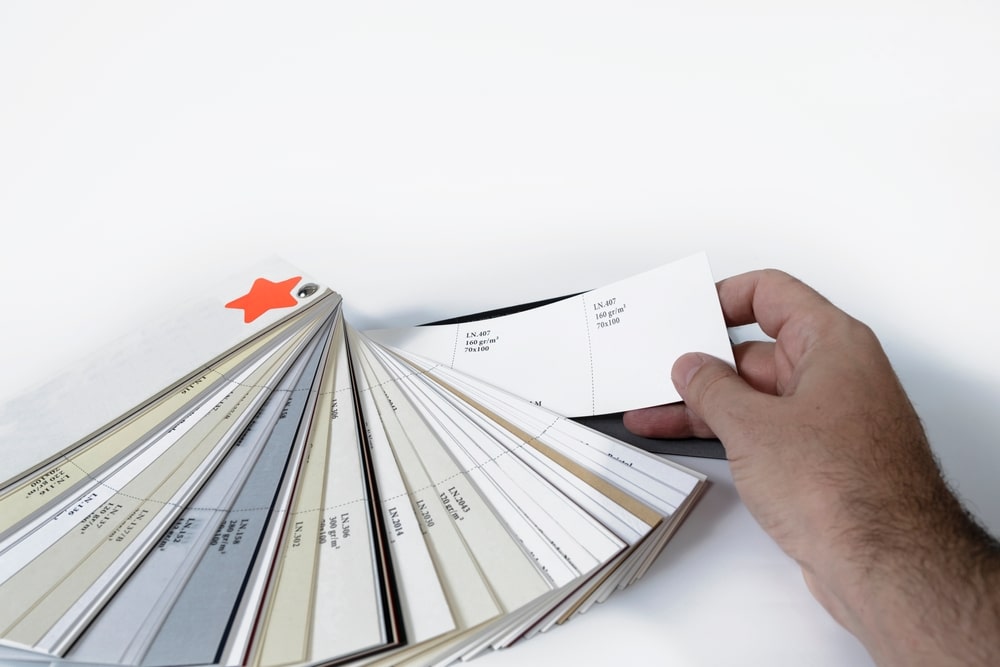 Why Fine Art Paper Matters for Color Accuracy
Not all paper is created equally when it comes to art reproductions. Standard printing paper often lacks the surface quality and composition needed to reproduce colors faithfully. Fine art papers are specifically designed to enhance fine art paper color accuracy and longevity.
That key difference is how the paper interacts with the ink. Fine art papers are engineered to hold pigments on the surface at a microscopic level, allowing colors to remain vibrant and precise rather than dull or muddy. Also, fine art papers are acid-free, meaning they won’t yellow or degrade the ink over time.
Key Factors That Affect Color Accuracy With Fine Art Printing
Achieving perfect fine art paper color accuracy requires understanding the technical elements of the paper itself. Several key characteristics of the fine art paper directly influence how ink is received and how color is perceived by the viewer.
Paper Whiteness And Brightness
The inherent witness and brightness of your paper can be the foundation for printed colors. Paper that is too warm (i.e. yellowish) or too cool (bluish) can shift the entire color palette of the image. If you’re reproducing artwork with delicate color balance, even a slight shift in paper tone can alter the final result. Choosing the right base tone ensures that your prints maintain the intended mood and color relationships of the original piece.
Paper Texture And Surface Finish
Texture and finish of your art paper significantly impacts how light reflects on the print. This also impacts how colors are perceived. A matte finish will absorb more light, offering a softer, more subtle color presentation. Glossy or semi-gloss finishes reflect light, making colors appear more vibrant and saturated. This is why selecting the right texture is just as important as the color balance of the paper itself when aiming for perfect fine art paper color accuracy.
Lighting
The environment where a print is viewed can affect perceived color accuracy. There are different light sources ( natural daylight, warm incandescent light, or cool LED light) that can shift the color temperature of the print. Always consider the viewing environment when evaluating your prints to ensure the colors hold true across various settings.
Best Tips For Achieving Fine Art Paper Color Accuracy
1. Work With A Professional
Even with the best paper, achieving consistent fine art paper color accuracy requires expertise. Professional printers understand how different papers interact with various inks and can adjust settings accordingly. They also use calibrated monitors and color management systems to ensure precise results from start to finish.
2. Calibration of Your Monitor
Before sending any files to print, it’s crucial to understand that your screen accurately displays the colors in your digital file. Uncalibrated monitors display colors incorrectly, leading to frustrating discrepancies between what you see on screen and what the printer produces. Use a professional calibration tool to set your monitor’s color profile and brightness. This forms the necessary starting point.
3. Premium Paper Selection Matters
High quality paper like ones made from cotton or alpha cellulose provide a superior surface for pigment retention and color fidelity. Investing in premium fine art paper is a foundational step toward guaranteeing the longevity and true-to-life representation of your printed reproductions.
4. Matching Paper To Your Artwork
There’s not a one size fits all solution, but here are a few general guidelines to get you started:
- Photography: Smooth, bright white papers for sharp detail and vibrant color
- Watercolor Reproductions: Textured, natural white papers to mimic the original medium
- Black and White Prints: Papers with excellent tonal range and deep blacks
- Illustrations: Depending on style, either smooth for precision or lightly textured for depth
Bring Your Artwork to Life with Accurate Color
Choosing the right paper is one of the most important decisions you’ll make when creating reproductions. From paper tone and texture to ink absorption and surface finish, every detail contributes to fine art paper color accuracy.
If you’re ready to take your prints to the next level, consider working with experts from Artistic Wholesale Printing & Framing, who understand the intricacies of fine art printing. Explore professional options for fine art reproduction Salt Lake City to ensure your artwork is reproduced with the precision, vibrancy, and the high attention to detail it deserves.