
Category Archives: News

How to Curate Hotel Art Collections That Reflect Your Brand Story

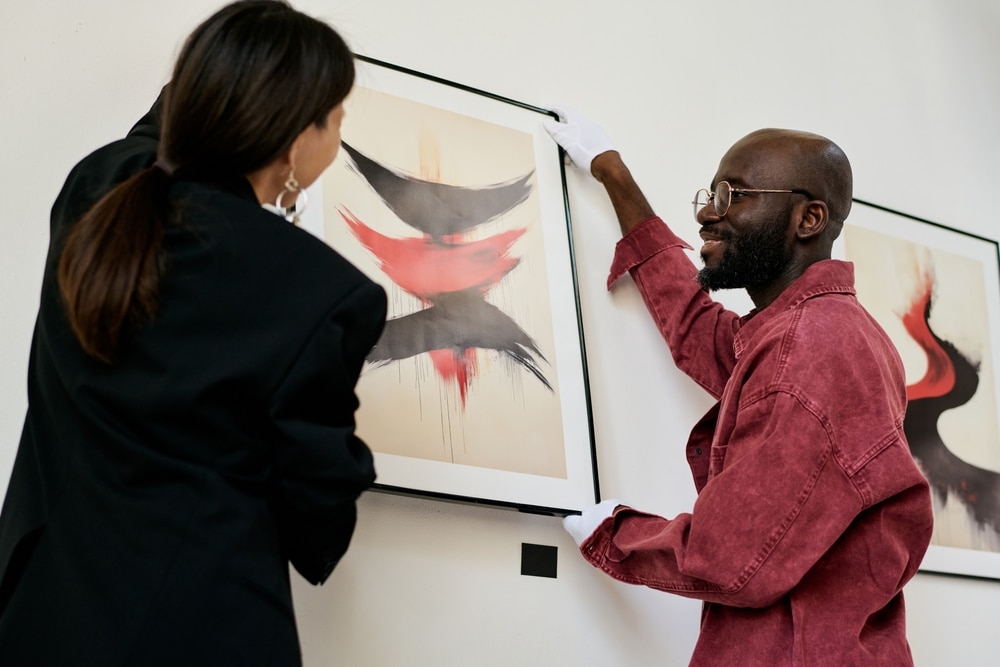
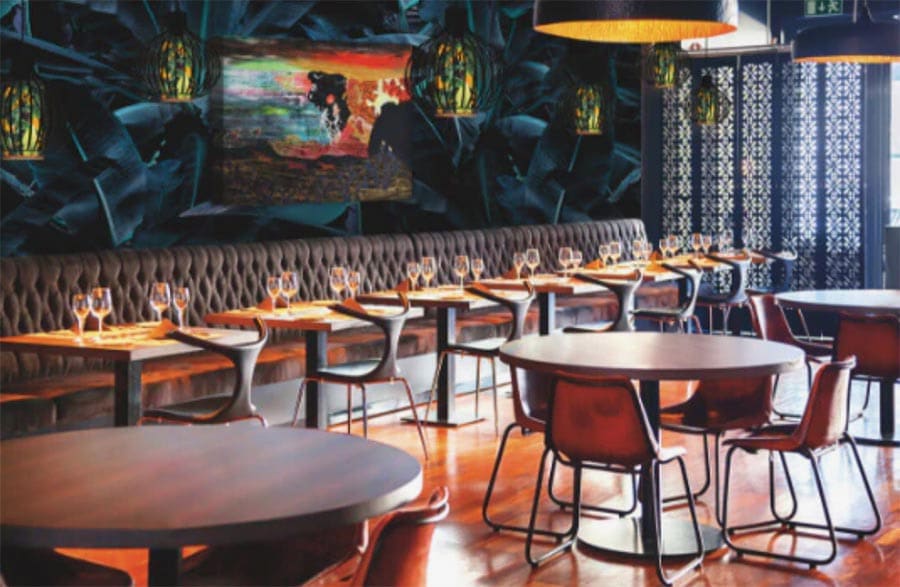
For anyone who has ever walked into a hotel, they can most likely relate to the vibe almost immediately. Maybe it feels cozy and welcoming, sleek and modern, or artistic and full of personality. While furniture, lighting, and color choices all play a role, one of the most powerful (and often overlooked) elements that contribute to your brand story is the artwork. Hotel art curation can be pivotal to get that initial impression across.

You don’t need to be an art expert or interior designer to understand how art shapes a space. Learn more about how this intricate process can develop your hotel’s identity.

hotel art curationHow Art Supports Brand Identity

Hotels have a story to tell, and there is intense competition to capture the attention and loyalty of modern travelers. Art is a silent, yet powerful, narrative tool that visually communicates your brand’s unique ethos and values before a single word is spoken. Here’s a good example. Larger pieces of artwork can show a sense of luxury and opulence, while locally commissioned pieces highlight a commitment to the community. Any guest who walks through the hallways or rooms is most likely not thinking about the artwork actively, but they can feel its impact passively. This can have a major impact on whether or not you have positive experiences and repeat hotel stays. How are you setting yourself apart from competitors? Do guests feel that statement you’re trying to convey upon arrival?

Using Local Artists to Create Authentic Connections

Hotel art curation is impactful when you use local artists who support the community as a whole. The pieces you use aren’t to fill up empty spaces on the wall. Instead, you’re showcasing a commitment to cultural authenticity and local flavor. For those who own their own business, this authenticity gives more appeal and appreciation for the neighborhood and local vibe. For instance, a coastal hotel might showcase ocean-inspired paintings from nearby artists, while an urban hotel could highlight photography or mixed-media pieces reflecting city life. This approach adds authenticity and makes the hotel feel less generic.

It’s imperative to think about the travelers and potential guests who are going to stay with you. Art becomes a conversation starter rather than just decoration, which is a huge win for guest engagement.

The Power of Themed Series and Color Palettes

Another powerful tool for hotel art curation is working with themed collections or consistent color palettes. This doesn’t mean every piece has to look the same, but there should be a visual thread that ties everything together. Cohesive themes give complement to the entire space, ensuring the lobby pieces flow seamlessly with guest rooms, even if they are stylistically different. For instance, a nature-inspired hotel might use a series of botanical prints or landscape photography throughout guest rooms and hallways. A modern hotel could focus on black-and-white photography or geometric designs in a cohesive color scheme.

Color has a significant role here. Warmer tones can give a more relaxing, calming atmosphere. Conversely, cooler tones often feel a more refined approach. The most important thing about color is that it should support and enhance the overarching brand narrative and the emotional response you want to elicit from your guests.

Strategic Placement Matters More Than You Think

Not thinking about wall art placement can be a significant mistake, even if you choose intricate pieces that match your brand identity.  Larger statement pieces are ideal for the lobby when guests arrive. This gives them an instant feeling of luxury and sophistication. More personal pieces are great for the guests’ rooms, where a sense of intimacy and discovery becomes present. Consider sightlines and the natural flow of the artwork. The art should almost “guide” them through

the space, creating an immersive, continuous experience that reinforces your brand’s aesthetic at every turn.  When artwork is thoughtfully positioned, it reinforces the story you’re telling with every turn.

Spacing and Visual Weight

  • Vertical Alignment: Center the artwork vertically at the average human eye level (about 57 to 60 inches from the floor) to ensure comfortable viewing and immediate visual engagement.
  • Proximity to Furniture: Leave a minimum of six to eight inches of vertical space between the bottom of the artwork and the top of any furniture, such as a console table or sofa, to prevent the arrangement from looking cluttered.
  • Gallery Wall Breathing Room: When creating a gallery wall, space smaller pieces two to three inches apart to unify the collection into a single visual statement while still allowing each individual piece to be appreciated.

Get Expert Hotel Art Curation In Utah: Artistic Wholesale Printing & Framing

People who are traveling want a break from the ordinary, and the right artwork and framing leave a lasting impression that makes them want to return. At Artistic Wholesale Printing & Framing, we’re dedicated to changing drab spaces into five-star hotels with our services. Learn more about hotel picture framing to create an atmosphere that supports your brand story.

How to Select the Right Backing Board for Your Framed Artwork

It’s easy to think about color or style when you’re framing your artwork, but there’s an underrated aspect of keeping it protected: the framing backing board. When you complete your due diligence in selecting the right backing board, it can mean the difference between artwork that lasts for decades and a piece that deteriorates faster than it should. Here are a few tips to keep in mind when selecting the right backing board for your framed artwork.

framing backing boardWhy the Framing Backing Board Matters More Than You Think

A framing backing board isn’t meant only to “fill in space” behind your piece. It has many benefits for your artwork, including providing structure, helping prevent warping, protecting against moisture, and shielding artwork from acidic damage. Without the right backing, even the most beautiful frame won’t fully protect what’s inside. It deserves attention, whether you’re framing a cherished piece of artwork, a limited-edition print, or commercial artwork for a business. Without attention to detail, you risk your artwork’s longevity.

Comparing Common Types of Backing Boards

Not all backing boards are created equal. Here’s a look at the most common options and when each one makes sense.

Foam Board

Every day framing projects can rely on foam board with its lightweight yet sturdy composition. It’s an affordable and simple choice for pieces that aren’t highly valuable or don’t require museum-quality preservation. It’s popular for photographs and temporary displays. Standard foam boards aren’t always archival. Foam board works well for short-term or budget-friendly projects, but it’s not ideal for long-term preservation.

Mat Board

Mat boards are slightly thinner than foam boards, but they still provide good support. Some mat boards are acid-free, which makes them a better option than basic foam boards when longevity matters.

Archival Backing Boards

Archival backing boards are sometimes referred to as the “gold standard” framing backing board selection. They are made from materials like rag board (cotton fiber) or purified wood pulp that are neutral pH, meaning they won’t damage the artwork over time. This makes them essential for valuable, antique, or highly cherished pieces you want to protect for generations. They do cost more upfront, but provide long-term protection.

Key Factors to Consider Before Choosing

Choosing a framing backing board should be done with fidelity. Here are some of the top considerations before making your choice:

Moisture Protection

If you had to list the biggest enemy of any piece of artwork, it would probably be moisture.  Changes in humidity can cause paper to ripple, mold to form, or inks to run. Choosing a backing board that offers moisture resistance can help protect artwork, especially in bathrooms, kitchens, or commercial spaces.

Rigidity and Support

The backing board is the primary source of support for your framed piece. This prevents artwork from sagging or shifting within the frame over time. If you have a thicker, rigid board, it can be crucial for the larger pieces to maintain their flatness. If your piece is oversized or displayed vertically, rigidity should be a top priority.

Acidity and Longevity

Acidic materials can slowly break down paper materials, even if you don’t see visible damage right away. If you’re framing something you want to keep for years, an acid-free framing backing board is essential. This is especially important for photos, documents, and fine art prints.

Commercial vs. Personal Artwork: What’s the Difference?

The right backing board often depends on where and how the artwork will be displayed.

  • Commercial artwork: Commercial artwork is often displayed for long periods and exposed to lighting, temperature changes, and foot traffic. Archival or high-quality backing boards are usually the best choice to maintain a polished, professional look.
  • Personal artwork: You do have some flexibility when it comes to personal artwork. Foam board or mat board may work just fine, depending on how long you plan to display the piece. Still, many people choose archival options for sentimental items to avoid regrets later.

Installation And Sealing

How the framing backing board is installed is equally important. The board should fit snugly against the artwork and be properly sealed within the frame. Look for professional sealing options like acid-free tape or specialized framing points that hold the backing board securely in place for maximum protection.

Ready to Choose the Right Backing Board?

The right framing backing board can make a huge difference. From framing a personal piece to getting ready to set up a commercial space, Artistic Wholesale Printing & Framing offers professional-grade framing supplies to help ensure the job is done right and lasts a lifetime. Contact us today to discuss your framing needs.

Top 10 Things to Consider While Choosing the Mat Board

One of the most underappreciated aspects of keeping your artwork pristine is the mat board you select. It can completely transform how your artwork looks in a frame. From enhancing colors to protecting your art, the mat board plays a key role in style and preservation.  Keep these considerations in mind when you’re choosing your next mat board for long-lasting beauty and protection.

mat board thicknessWhat Is A Mat Board?

Mat boards are sometimes referred to as “mounting boards,” but they are acid-free paper-based materials used in picture framing. It has two primary functions. First, it provides a visually appealing border that naturally draws the eyes to your artwork. Secondly, it’s a protective space between the glass and the artwork to prevent moisture and sticking.

1. Mat Board Thickness

Mat board thickness is at the top of your considerations because it is crucial for artwork preservation and visual appeal. Thinner mats give a sleek, minimal look, perfect for modern frames. If you’re double matting, combining a thicker outer mat with a thinner inner mat adds dimension and contrast.

2. Color Coordination

Mat colors can have a direct impact on how your artwork is perceived. Complementary colors can make the artwork itself more appealing, while a neutral mat keeps the focus on the piece itself. Testing a few color options against your artwork can help you find the perfect match.

3. Texture Matters

Mat textures come in different styles that reflect the type of artwork you’re displaying. For example, linen-finished mats can work best for watercolor paintings. Conversely, stark white mats are preferred for photography or highly detailed pen and ink drawings. The right texture enhances the piece around it, not distracts.

4. Single Vs. Double Mat

Single mats are good for a clean and straightforward look, while double mats use layers to create greater depth and a more sophisticated look. Use a single mat for simplicity and modern aesthetics, and a double mat when the artwork is complex or needs extra visual separation from the frame.

5. Archival Quality

It’s important for people to have their artwork last a long time. Choosing a mat board that is acid-free and has good archival quality (meaning it will not yellow or degrade over time). This is essential for preserving the integrity of your art and preventing damage from acid migration. Increasing mat board thickness also matters because it helps keep the artwork from touching the glass, which is essential for preservation.

6. Size Proportion

The mat’s width matters because it should complement the size of your artwork. Smaller pieces often look better with slightly wider mats to give them presence on the wall. Larger works may need narrower mats so the frame and artwork stay in proportion and complement the size of your artwork.

7.  Frame Compatibility

The picture frame style and depth can determine the mat board choice. Deep, ornate frames can handle a thicker, textured mat. Sleek or shallow frames work best for a smoother board. Make sure the mat board fits well inside the frame’s rabbet without bulging. The result must be a cohesive finished presentation.

8. Highlighting Key Elements

A well-chosen mat can draw attention to specific parts of your artwork. For instance, a colored inner mat in a double-mat setup can emphasize details or subtle color. Or, a contrasting mat board thickness will enhance the visual weight of the art.

9. Ease Of Maintenance

Mats that are easy to clean and resist dust buildup simplify the long-term care of your framed piece. Look for boards with protective coatings or smooth surfaces that can be gently wiped clean. This minimizes the need for frequent dismantling of the frame.

10. Sourcing Quality Materials

One of the most important considerations when selecting the right mat board is finding a reputable source for framing supplies. For those in the Salt Lake City area, Artistic Wholesale Printing & Framing offers thousands of mat boards, frames, and much more to keep your project professional.

Bringing It All Together

Choosing the right mat board isn’t only about color or thickness. It goes much further than that. The tips above ensure your piece will be beautifully displayed, whether it’s a personal photo, a professional print, or a treasured painting. Don’t settle for anything less than perfection when it comes to displaying your artwork. Explore online to learn more about our printing and framing services. At Artistic Wholesale Printing & Framing, we are conveniently located in the Salt Lake County area. We proudly service the local community with superior picture framing supplies for clients who put their trust in us.  Explore more about our picture framing services in Utah today!

How to Plan a Gallery Wall: Spacing, Layouts, and Hanging Tips

Creating a gallery wall can transform a dull and lifeless space into a personal art display that reflects your style. If you’ve ever stared at a blank wall wondering how to arrange your frames without making it look chaotic, you’re not alone. Planning a gallery wall layout takes a bit of strategy. There are factors to consider, like spacing, leveling, and finding that right amount of balance. Below is everything you need to know to create a visually stunning display.

gallery wall layout

Grid vs. Salon Layouts: Choosing Your Style

The two most popular gallery wall layouts are grid and salon styles. Consider the differences below to choose the layout that best suits your space and art collection.

  • Grid Layout- This can be a top consideration if you’re going for a modern, polished look. Frames are arranged in straight rows and columns, often with equal spacing between each piece. This is also a great option if your frames are about the same size and style. Think of having “order” in a room, which is good for offices, living rooms, or even some commercial spaces.
  • Salon Layout: This layout is considered more artistic or eclectic. Here, frames of different sizes or orientations are closely hung together to reflect a dynamic, layered look. Salon layouts give you freedom to mix colors, textures, and frame styles. It’s ideal for home galleries, hallways, or creative spaces where you want personality to shine.

Tips for Spacing, Leveling, and Visual Balance

Once you’ve picked the gallery wall layout, you’ll be making sure everything looks balanced. Here are some expert tips.

Spacing

It’s important to space frames equally apart from each other to avoid a “cluttered” look.  A general rule of thumb is 2–4 inches between each frame, but this can vary depending on wall size and frame dimensions.

Leveling

Use a level or laser guide to ensure your frames are straight. Even the smallest misalignment can ruin the symmetry of a grid layout or make the salon layout appear haphazard.

Visual Balance

Avoid placing all the heavy or larger pieces on one side and distribute the weight evenly across the wall instead. Balance can also be achieved by distributing colors and different shapes. Try to create a triangle or circular visual flow to guide the eye naturally across the wall.

Pro tip: Place the largest or heaviest pieces first, and then fill in with smaller pieces to maintain a balanced composition.

Layout Templates and Reference Guides

It’s understandable to be nervous about hanging frames, and layout templates can be a lifesaver more than you realize. Many online guides and printable templates help you plan your gallery wall layout before you start hammering nails. Here’s a simple approach:

  1. Paper templates: Trace each frame on craft paper and tape the shapes to the wall. Why is this important? It gives you a visual reference without committing to holes in the wall.
  2. Digital Layout Tools: Online grid planners and augmented reality apps can give you a unique preview of your space using actual photos to envision the real version.
  3. Symmetry Grids: Measure and mark equal intervals on the wall to ensure uniform spacing for symmetry grids.
  4. Salon Mockups: Use the floor or a large table to arrange your pieces into a pleasing composition before transferring the plan to the wall.

The bottom line is that templates and reference guides save your time, stress, and costly mistakes. The gallery wall layout looks much more professional and polished with intentionality and careful planning.

Local Touch: Artistic Wholesale Printing & Framing

If you’re in the Salt Lake City area or nearby, Artistic Wholesale Printing & Framing is your trusted expert for high-quality framing supplies and printing services. We have more than 25 years of experience in the business, providing thousands of mouldings, mat boards, and custom printing options. Whether you’re looking for unique frames, matting options, or professional-grade prints, we have the expertise and inventory to help your wall shine.

Our team also provides picture hanging services throughout Utah. The process is far more complex than most people realize. We can transform a dull room into something you’ll love. Our hanging services are stress-free, and the result is a perfectly installed gallery wall that enhances your space. We strive to make the interior design process one you’ll come to love.

Gallery Wall Layout: Final Tips and Professional Hanging

When it comes to the final setup, remember that patience pays off. Take your time to arrange and adjust frames until the composition feels right. Use the spacing and balance tips we covered, and don’t be afraid to step back and view the wall from different angles. For those in the Salt Lake City area, partnering with a trusted local expert like Artistic Wholesale Printing & Framing can make the process seamless from start to finish.

Art Placement Mistakes That Ruin the Room — and How to Avoid Them

You can spend hours choosing the perfect painting, photograph, or print—but if it’s hung wrong, the entire room can feel “off.” At Artistic Wholesale Printing & Framing in West Midvale, we’ve seen beautiful pieces lose impact simply because they were placed too high, too low, or under poor lighting. The good news? These problems are easy to fix with the right eye for proportion—and the help of a professional picture hanging service.

Whether you’re styling a cozy bedroom, a long hallway, or a sleek office lobby, placement is just as important as the art itself. Here’s how to avoid the most common mistakes and make your walls look like a pro styled them.

hanging serviceMistake 1: Hanging Art Too High or Too Low
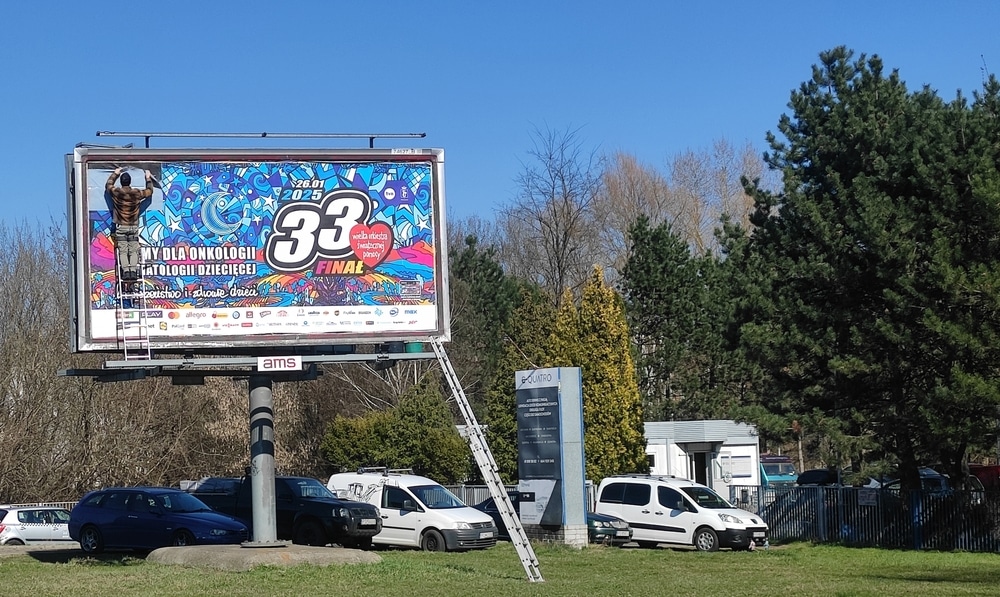
This is one of the most common—and most overlooked—decorating errors. Many people instinctively hang art at the wrong height, especially when working around furniture or trying to fill wall space.

As a rule of thumb, artwork should hang so that the center of the piece is about 57 inches from the floor, roughly eye level for the average person. Hanging art higher can make it feel disconnected from the room, while hanging it too low creates an imbalance.

If you’re displaying a grouping or gallery wall, treat the entire collection as one large piece and keep the midpoint at the same height.

Mistake 2: Choosing the Wrong Size

Proportion is everything. A small picture on a vast wall looks lost, while an oversized frame can overwhelm a compact space. To find the right fit, aim for a balance between the art and the surrounding furniture.

  • Above a Sofa or Bed: The art (or grouping) should be about two-thirds the width of the furniture beneath it, with 6–8 inches between the top of the furniture and the frame’s bottom.
  • Over a Console or Fireplace: Fill the width without crowding the edges. If one piece feels too small, try two or three coordinated works.
  • Standalone Walls: When there’s no furniture, go larger. It helps anchor the space and prevents the art from looking like an afterthought.

When you work with a professional hanging service, they’ll measure walls and furniture precisely to ensure perfect balance from every viewing angle.

Mistake 3: Ignoring Lighting

Even the most stunning artwork loses vibrancy under harsh or uneven lighting. Natural light shifts throughout the day, and artificial light can cast shadows or glare.

Keep these lighting principles in mind:

  • Avoid direct sunlight, which can fade prints and paintings over time.
  • Use spotlights or track lighting to highlight key pieces.
  • Add dimmers to adjust brightness and mood.
  • Check for glare at different times of day, especially with glass-front frames.

Professional installers often consider lighting as part of a complete design plan. At Artistic Wholesale, our experts help position artwork so that placement and illumination work together beautifully.

Mistake 4: Skipping Wall and Room Context

Every room tells a story, and art should complement—not compete with—it. The same piece can feel completely different depending on the wall color, ceiling height, and flooring tone.

  • Lobbies or Offices: Large, open areas benefit from bold statement pieces. Bigger canvases or grouped prints fill vertical space and create a focal point. Symmetry often works well, but avoid crowding walls near entrances or seating.
  • Bedrooms: Soft tones and cohesive arrangements create calm. The art above the headboard should be wide enough to anchor the bed but not so tall that it competes with lighting or décor.
  • Corridors or Hallways: Long, narrow spaces come alive with series or linear arrangements. Keep pieces eye-level and evenly spaced. In dim hallways, accent lighting adds depth and dimension.

Each space benefits from precise measuring, planning, and alignment—something a professional picture hanging service can effortlessly handle.

Mistake 5: Failing to Plan the Layout

Even seasoned decorators sometimes skip the planning stage, hanging one piece at a time and hoping for the best. A cohesive arrangement takes foresight.

Before picking up a hammer, lay your art on the floor and arrange it until it feels balanced. Snap a photo of the layout, measure spacing, and then transfer it to the wall. This extra step saves time, prevents patchwork fixes, and ensures the final display looks intentional.

Our picture hanging professionals use specialized tools—laser levels, spacing guides, and secure hardware—to deliver flawless results from every angle.

Why Scale and Symmetry Matter

When you enter a well-designed room, everything feels harmonious—even if you can’t explain why. That’s the result of thoughtful scale and proportion. Large art balances expansive furniture, while smaller pieces punctuate nooks or stairway landings.

Symmetry adds visual stability. Two smaller works flanking a mirror or one large canvas centered above a mantel create rhythm and cohesion.

At Artistic Wholesale Printing & Framing, we approach every installation with this design logic. Our picture hanging team draws on nearly three decades of experience to achieve museum-quality results in your home or office.

Mistake 6: Treating Hanging as a DIY Project

While hanging a picture might seem simple, precision requires more than a hammer and a few nails. Wall type, weight, and frame material all matter. A misstep could damage both the wall and the artwork.

With Artistic Wholesale’s professional hanging service, you can skip the stress and guesswork. We handle measuring, alignment, and safety checks so you can focus on enjoying the finished look. Whether you’re decorating a home, office, or gallery, we ensure each piece looks exactly as it should—secure, level, and perfectly placed.

Elevate Your Space with Trusted Picture Hanging Services

Only when displayed correctly can artwork enhance a room’s personality. Proper height, proportion, and lighting add polish that DIY methods rarely match.

If you’re ready to elevate your space, let the experienced Artistic Wholesale Printing & Framing team handle the details. With our expert picture hanging service, you’ll get seamless results that highlight your artwork and transform your walls into a cohesive, inviting display. Contact us today!

Top Best Materials for Indoor vs. Outdoor Graphics: A Breakdown

Not all signs are created equal. The materials behind your graphics determine their lifespan, vibrancy, and overall performance. At Artistic Wholesale Printing & Framing, we help Utah businesses choose the right solution for every space—from polished indoor and outdoor graphics to large-format displays that stand out. Understanding the strengths of each material helps ensure your signage looks professional, lasts longer, and makes a lasting impression.

indoor and outdoor graphic materialsVinyl: The Versatile Standard

Vinyl is the workhorse of indoor and outdoor graphics. It’s flexible, durable, and suitable for nearly any surface—walls, windows, floors, or vehicles. For indoor applications, vinyl’s clean finish and smooth texture give a professional look to wall wraps, window lettering, and point-of-purchase displays. Outdoors, it’s ideal for banners and building wraps exposed to the elements.

The secret lies in the adhesive and laminate finish. Indoor vinyl uses lighter adhesives for easy removal without wall damage, while outdoor vinyl relies on stronger bonding agents and UV-resistant coatings. High-quality cast vinyl can last up to seven years outside without fading or peeling.

Best for: Window graphics, event banners, wall wraps, and seasonal promotions.
Why it works: Cost-effective, vivid color reproduction, and strong adhesion.

Acrylic: Sleek and Sophisticated

Acrylic signage offers a modern, high-gloss finish ideal for corporate interiors, retail displays, and hospitality environments. Its glass-like clarity adds depth and visual brightness while remaining lighter and more durable than glass.

Indoors, acrylic panels are perfect for branded wall art, directional signage, and logo displays that need a polished, high-end appearance. Outdoors, thicker acrylic sheets combined with UV-cured inks resist fading and cracking.

One of acrylic’s biggest advantages is its color longevity. It holds pigment exceptionally well, keeping graphics bright and saturated under intense lighting.

Best for: Lobby signs, backlit displays, and storefront branding.
Why it works: Premium aesthetic, excellent light diffusion, and fade resistance.

Aluminum: Built for the Elements

When durability takes top priority, aluminum is unmatched. It’s weather-resistant, rust-proof, and ideal for permanent outdoor graphics that must withstand Utah’s sun, snow, and shifting temperatures.

For outdoor business signage, aluminum panels with UV-stable inks and protective coatings maintain color and finish for years, outlasting wood or plastic alternatives. Indoors, brushed aluminum adds a sleek industrial look that suits modern offices, galleries, and showrooms.

Many commercial properties use aluminum composite material (ACM)—two thin aluminum sheets bonded to a polyethylene core—for extra rigidity without excess weight.

Best for: Long-term building signs, job-site signage, and trail or directional markers.
Why it works: Unbeatable weather resistance and professional presentation.

Fabric: Soft, Lightweight, and Dynamic

Fabric has become a favorite for trade shows, interior décor, and retail installations because it offers flexibility and warmth. Unlike rigid materials, fabric graphics can be stretched, folded, or transported without permanent creasing.

Indoor fabric prints—often made from polyester or canvas blends—provide a refined, upscale look for backdrops, wall décor, or soft signage. They’re lightweight, easy to replace, and offer minimal glare under lighting.

Specially coated fabrics treated for UV protection and water resistance perform surprisingly well outdoors for temporary banners or event tents. Artistic Wholesale’s advanced HP Latex printing process ensures color saturation stays even across fabric textures, delivering crisp, true-to-life visuals.

Best for: Trade show backdrops, seasonal retail graphics, and wall décor.
Why it works: Lightweight, portable, and rich in texture.

Weather Resistance and Color Longevity

The primary difference between indoor and outdoor applications lies in exposure. Wind, moisture, sunlight, and temperature swings are relentless on outdoor materials. Every project should consider weather resistance and color longevity early in the design phase.

  • Vinyl and aluminum provide superior resilience for outdoor environments, resisting fading and cracking.
  • Acrylic and fabric thrive indoors, maintaining vibrant color and surface quality in controlled climates.
  • Protective coatings and UV-cured inks extend the lifespan of both interior and exterior prints.

At Artistic Wholesale, we print using eco-friendly, water-based latex inks that are odorless, fast-drying, and naturally resistant to scratching and smudging. The result is color that stays bold and consistent over time, no matter where your signage is placed.

Matching Material to Application

Selecting materials is about matching function to message.

  • Retail and Restaurant Interiors: Acrylic or fabric signage enhances décor without overpowering it.
  • Corporate or Lobby Spaces: Brushed aluminum or acrylic panels convey professionalism and permanence.
  • Trade Shows and Events: Fabric or lightweight vinyl is easy to transport, assemble, and store.
  • Outdoor Promotions: Heavy-duty vinyl or aluminum ensures signs remain vibrant through rain, snow, and heat.

Our design team at Artistic Wholesale helps clients pair the right materials with the right message, ensuring every sign delivers maximum visibility and longevity.

Why Material Choice Matters for Branding

Think of your signage as a silent ambassador for your business. Every texture, color, and finish communicates quality. A sleek acrylic logo display conveys modern precision, while a durable aluminum sign demonstrates reliability.

High-quality indoor and outdoor graphics unify every touchpoint—from storefronts to trade shows. When materials fail or colors fade, that unity breaks, affecting customer perception.

Investing in the right materials from the start protects your image and budget.

Bringing Your Graphics to Life

From eye-catching vinyl banners to durable aluminum displays, Artistic Wholesale Printing & Framing combines technology, craftsmanship, and design expertise to produce graphics that last. Our HP Latex printer allows us to say “yes” to almost any substrate, delivering bold, environmentally friendly results on time and within budget.

Whether you need vibrant trade show backdrops or permanent exterior signage, we’ll help you choose the ideal materials for stunning indoor and outdoor graphics that capture attention and elevate your brand. Contact our Utah team today to discuss your custom graphics.

Choosing the Right Graphic Print Finish: Matte, Gloss, or Satin for Large Graphics

When creating large-format prints that genuinely stand out, the finish you select is more than a design choice—it’s a performance factor. A graphic print finish doesn’t just influence how colors appear; it also determines how your display responds to lighting, resists wear, and maintains visibility over time. At Artistic Wholesale Printing & Framing in Midvale, Utah, we help businesses evaluate the pros and cons of matte, gloss, and satin finishes so their indoor and outdoor graphics deliver consistent results and lasting impact.

custom design artistic wallpaper aesthetic murray

canvas wallpaper, crack resistant, format for any size wall. custom printed design wallpaper for business, personal, home, decor

Understanding the Finish Options

Gloss Finish – Gloss provides maximum vibrancy. Colors appear bold and saturated, with strong contrast that makes designs “pop.” Gloss is also easier to clean, which is helpful in high-traffic environments. The trade-off? Under bright or uneven lighting, the reflective surface can create glare that distracts from the message.

Matte Finish – Matte diffuses light instead of reflecting it. This makes graphics and text easier to read under direct sunlight, spotlights, or mixed lighting. It’s especially effective where glare control matters. The cost of that control is slightly softer color saturation—but many businesses value the elegant, professional look.

Satin Finish – Satin, sometimes called semi-gloss or luster, strikes a middle ground. It retains some of the vibrancy of gloss while avoiding its harsher reflections. Versatile and balanced, satin is often chosen when both readability and depth of color are essential.

Pros and Cons Based on Lighting and Reflection

  • Gloss excels in controlled lighting environments with indirect illumination, such as retail stores. However, it can be problematic in window-facing displays or beneath harsh overhead lights, where reflections obscure details.
  • Matte ensures readability in virtually any lighting condition. It prevents glare “hotspots” and creates a uniform appearance across angles. Its subdued palette often enhances professionalism.
  • Satin provides a measured compromise—retaining visual depth while reducing distracting reflections. It’s a dependable choice for mixed-use spaces.

How Placement Shapes Your Graphic Print Finish

The environment plays a critical role in determining the right finish:

  • Indoor Graphics – Lobby displays, trade show booths, and hallways benefit from gloss when lighting is predictable and maximum impact is desired. Matte is preferable in offices or brightly lit retail spaces where legibility is the priority. Satin adapts well when lighting shifts throughout the day.
  • Window-Facing Graphics – Direct sun and reflective glass make gloss a challenge. Matte or satin finishes prevent mirror-like reflections that reduce visibility in these cases. Satin provides some vibrancy without sacrificing clarity.
  • Outdoor Graphics – Exterior signage is constantly exposed to the elements. Matte maintains readability in sunlight, while satin adds vibrancy without excessive glare. Gloss can work outdoors if paired with protective lamination, but it generally requires more upkeep to prevent reflections from undermining visibility.

Pairing Your Finish with Lamination

A finish alone cannot guarantee durability—lamination is essential for extending the life of graphic print finishes used in indoor and outdoor graphics. It protects against scratches, UV exposure, and moisture while reinforcing the look of the chosen finish.

  • Gloss Laminate – Increases shine and enhances color depth, though it may exaggerate reflections. Best for indoor settings with stable lighting.
  • Matte Laminate – Reduces glare even further while adding toughness. Excellent for outdoor signage, window graphics, and frequently touched displays.
  • Satin Laminate – Offers a balance of protection and vibrancy, keeping graphics eye-catching without the drawbacks of high-gloss glare.

From trade show banners to long-term outdoor wraps, lamination is the step that safeguards your investment.

Choosing the Right Graphic Print Finish

When selecting between matte, gloss, and satin, consider:

  • Lighting conditions: Bright or uneven light favors matte or satin; controlled light can accommodate gloss.
  • Placement: Indoor promotions thrive with gloss, while outdoor signage benefits from matte or satin.
  • Desired impression: Gloss is bold, matte is refined, satin is versatile.
  • Durability needs: Lamination is non-negotiable outdoors and highly recommended indoors, where graphics are handled often.

By weighing these factors, you ensure your graphic print finish aligns with the environment and the impression you want to create.

Which Finish Works Best for You?

Your finish selection is more than a style decision—it’s part of the strategy for how customers will view and interact with your brand. Gloss maximizes color impact, matte prioritizes readability, and satin balances both qualities. With the proper lamination, your graphic print finish will protect indoor and outdoor graphics against glare, wear, and environmental stress.

At Artistic Wholesale Printing & Framing, we combine technical expertise, high-quality materials, and professional finishing techniques to match your vision with the right solution. Ready to compare finishes or see samples in person? Contact us today to find the best option for your next large-format project.

How to Preserve and Frame Vintage Posters or Maps

Vintage posters and old maps are more than décor—they are windows into history, art, and culture. Whether inherited, collected, or found in flea markets, they deserve framing that showcases their beauty and protects them for generations. At Artistic Wholesale Printing & Framing, we believe in doing the job right: preserving fragile paper, preventing damage, and making framing a craft. With decades of experience providing professional picture framing services in Utah, our team offers expert guidance on vintage poster framing to ensure every piece is displayed beautifully and preserved for the future.

vintage poster framingWhy Vintage Poster Framing Matters

Unlike modern prints, vintage posters and maps are often made from fragile, acidic paper that deteriorates quickly if not handled correctly. Professional vintage poster framing safeguards these pieces from light, humidity, and physical stress while enhancing their visual appeal. The right approach means you’re not only displaying art but protecting history for the future.

1. Handling Fragile Paper: First Steps

The condition of the paper matters a lot before framing. Many vintage posters and maps are printed on paper that has aged, becoming brittle, yellowed, or torn at the edges. Mishandling can cause irreversible damage.

  • Handle with clean hands (or gloves). Oils, dirt, and even moisture from skin can accelerate decay or stain fragile paper.
  • Support the whole piece. Use a rigid backing when moving or laying the object flat so that weak spots don’t fold or tear.
  • Avoid adhesives that contact the paper directly. Dry mounting (gluing the paper entirely to a backing) is discouraged in conservation framing.
  • Use hinged mounting with archival tape or hinging corners, which secure the paper without adhesive over large surfaces.

2. Use Acid-Free and Archival Materials

Vintage poster framing must be as much about preservation as presentation. One of the most critical aspects is using acid-free, archival-quality materials throughout.

  • Backing boards, mat boards, mats, liners, and mountboards should be acid-free to prevent acidic migration (yellowing, brittleness).
  • Mounting adhesives or tapes: Use pH-neutral or conservation-grade adhesives that are reversible.
  • Glass or acrylic glazing that includes UV protection: UV rays fade inks and degrade paper over time.
  • If the frame uses wood mouldings or other components, ensure any liners or barriers touching the paper are acid-free.

3. UV Protective Glass or Acrylic

Exposure to light is among the biggest threats to vintage posters and maps.

  • Use glazing materials that block UV (often up to ~99%) without distorting color. Acrylic or glass labelled “UV-protected,” “museum glass,” or “conservation glass” is preferred.
  • Ensure the glazing is not placed directly against the paper—use a mat or spacer to keep a distance. Moisture or condensation between the glass and paper can cause damage.

4. Floating vs Matting Display

How you visually present the vintage poster or map is as important as how you protect it. The display style also affects how preservation materials are used.

  • Matted (with a mat board): A mat creates a gap between the artwork and the glazing, which improves airflow and prevents direct contact. Always use acid-free mat board.
  • Floating display: The artwork appears to “float” within the frame, often by being mounted on the backboard so that edges are visible. However, floating displays still demand acid-free backing, UV glazing, and careful mounting so that nothing distorts or warps.
  • Decide based on the piece’s condition, how much margin or border remains, and your preferred style.

5. Conservation & Mounting Techniques

  • Linen backing: Linen backing is a common conservation technique for very fragile posters or maps. It provides structural support while being reversible, helping prevent tears or folds.
  • Mounting with hinges: Use archival hinges to move slightly with humidity and temperature changes. Rigid or full surface adhesive mounts (dry mount) are not recommended for vintage poster framing.

6. Display, Environment, and Long-Term Care

Even with perfect framing, what happens after the piece is framed will determine its longevity.

  • Light control: Avoid direct sunlight. Prolonged exposure—even through windows—will fade inks.
  • Humidity and temperature: Keep framing in a stable environment. Too much humidity can encourage mold; too little can make paper brittle. Fluctuations are particularly damaging.
  • Hanging safely: Oversized frames need proper support (D-rings, multiple hooks) and should avoid relying solely on wire if weight becomes an issue.

7. Choosing the Right Frame Design & Aesthetic

While protection is key, presentation matters; vintage poster framing is also about complementing the art.

  • Pick a frame moulding style, finish, and material that enhances the era or theme of the poster or map—Art Deco, mid-century, or traditional.
  • The right frame makes the piece feel balanced in scale and style, drawing the eye to the artwork rather than overwhelming it.

Preserve Your Maps and Posters with Care

Preserving vintage posters or old maps takes care, the right materials, and thoughtful framing. Gentle handling, acid-free materials, UV-protective glass, and professional mounting techniques distinguish between a fading relic and a protected treasure. Displaying them correctly ensures they remain a vibrant part of your collection for years to come.

Artistic Wholesale Printing & Framing in Midvale, UT, is committed to turning vintage treasures into works you can admire and trust to last. If you have a poster or map you’d like framed, reach out to our experts. We offer custom framing, archival materials, UV glazing options, floating or matted display styles, and years of experience. Contact us today to preserve your history in style with vintage poster framing done right.

How Temperature and Humidity Affect Framed Art (and How to Protect It)

When you hang your artwork, it’s easy to focus on frames, mats, and lighting—but the invisible factors of temperature and humidity often matter most. At Artistic Wholesale Printing & Framing, we’ve seen firsthand how climate fluctuations can quietly damage paintings, photographs, and prints. The good news? With the proper knowledge and professional framing services, you can protect art from humidity and temperature swings to preserve its beauty.

Why Temperature and Moisture Matter

Art is made of delicate materials—paper, canvas, wood, textiles, and adhesives—that expand and contract with the environment. When temperatures swing dramatically or moisture builds up, these shifts stress the artwork.

  • Heat: High heat can dry out paper and canvas, leading to brittleness or cracking. It can also cause adhesives and mounting materials to loosen.
  • Cold: Excessive cold may destabilize some pigments and cause glass to fog when condensation forms.
  • Moisture: Humidity is one of the most damaging elements. Paper ripples, canvas stretches, and mold or mildew can grow behind the glass. Even metals in frames may corrode over time.

The result is gradual but permanent—faded colors, warped surfaces, and weakened structural integrity.

Risks in Commercial Spaces

Many businesses, galleries, hotels, and offices proudly display framed art, but these environments present unique challenges:

  • HVAC Cycles: Heating and cooling systems can cause constant fluctuations in temperature and humidity.
  • Sunlight Exposure: Large windows or bright lighting accelerate fading and weaken materials.
  • Crowded Displays: In restaurants or lobbies, tightly hung pieces limit airflow and trap moisture.

For commercial framing projects, stability is key. Our team at Artistic Wholesale emphasizes both environmental planning and the right materials when providing commercial picture framing and hotel art prints and framing services.

Best Practices for Art Storage and Display

Prevention is your best defense if you’re storing or displaying art for the long term. A few guidelines include:

  • Maintain Stable Climate: Aim for 70°F and around 50% relative humidity.
  • Avoid Vulnerable Spaces: Basements, attics, and garages often have extreme swings and dampness.
  • Use Spacers and Mats: Prevents condensation damage by keeping artwork off the glass.
  • Allow Airflow: Don’t pack art too closely together—air circulation prevents trapped moisture.

These small steps can prevent costly damage before it starts.

Framing Materials That Make the Difference

The right frame doesn’t just make art beautiful—it also protects it. At Artistic Wholesale Printing & Framing, we recommend:

  • UV-Resistant Glass or Acrylic: Blocks harmful rays that cause fading.
  • Acid-Free Mats: Prevents yellowing and chemical deterioration.
  • Sealed Frames: Limits moisture intrusion while allowing minimal air exchange to avoid condensation.
  • Archival-Quality Supplies: Acid-free, durable materials are essential for matboards and moldings.

Backing Boards for Extra Protection

Another critical but often overlooked layer of defense is the backing board. A rigid backing board—such as archival foam core, heritage board, or acrylic sheeting—provides structural support while helping regulate the microclimate inside the frame.

Backing boards also protect against dust, pests, and vibrations that can weaken a piece over time. Since Artistic Wholesale supplies professional matboards and other framing materials, we can recommend the right backing solutions for commercial installations and personal collections.

Everyday Steps to Protect Art from Humidity

For clients who ask how to protect art from humidity day to day, we recommend simple but effective habits:

  • Use dehumidifiers in damp climates or during wet seasons.
  • Keep framed art away from bathrooms, kitchens, or exterior walls.
  • Regularly inspect the back of frames for signs of mold or warping.
  • Rotate and dust artwork to keep it in a healthy condition.

Monitoring with Hygrometers or Data Loggers

One of the most practical steps is to monitor your environment. A small digital hygrometer—or a more advanced data logger—lets you track humidity and temperature in real time. Placing one near your framed art can alert you to harmful fluctuations before they cause permanent damage. Utah homeowners may find this especially useful during seasonal transitions, when heating or air conditioning systems create rapid shifts indoors.

Work with Utah’s Framing Experts

Your artwork deserves more than a frame—it deserves protection. At Artistic Wholesale Printing & Framing, we specialize in high-quality picture framing services in Utah that enhance and preserve your artwork. From custom commercial projects to hotel art and personal collections, our framers use archival materials and proven techniques to safeguard your pieces from temperature and humidity damage.

If you’re ready to protect your art from humidity and create a lasting display, contact us, visit our Salt Lake City area showroom, or explore our full range of framing options online. Our team will help you choose the right materials, finishes, and storage practices so your art stays vibrant and secure for years to come.

How to Choose the Right Canvas Depth for Your Painting Style

When it comes to canvas prints, the choices go beyond size and finish—canvas depth also plays a significant role in how your artwork looks once it’s on the wall. At Artistic Wholesale Printing & Framing, we’ve worked with countless artists and photographers across Utah who often ask us which canvas depth best fits their work.

The answer depends on the type of art you’re displaying, the style of your space, and the statement you want your canvas to make. Understanding canvas depth is one of the most essential starting points if you’re searching for practical painting presentation tips.

painting presentation tipsShallow vs. Gallery Wrap Depths

Canvas depth refers to the thickness of the stretcher bars that the canvas is wrapped around. Two of the most common options are:

  • Shallow Wraps (¾-inch to 1-inch depth): These canvases sit closer to the wall, creating a sleek, understated look. Shallow wraps are often easier to frame since they fit neatly into most standard picture frames. If you want your canvas print to blend in with your décor rather than dominate it, shallow depth may be the right choice.
  • Gallery Wraps (1.5-inch to 2-inch depth): Gallery wraps are thicker, creating a bold, three-dimensional presence. With the image stretched around the sides, these canvases often look complete without a frame, similar to what you’d see in a professional art gallery. A gallery wrap is ideal if you want your canvas to be a centerpiece.

How Depth Changes the Hanging Look

Depth affects more than just size—it changes how the artwork interacts with the room. A shallow canvas lies close to the wall, making it an excellent option for tight spaces, clustered gallery walls, or artwork you plan to frame. On the other hand, a gallery wrap canvas projects outward, creating shadows and depth that draw the eye. It makes a statement all on its own, which is why many artists choose it for standalone pieces.

We also offer finishing options like wire hangers, Z Bar cleat systems, or floater frames that pair beautifully with shallow and gallery-wrap canvases. The proper depth combined with the right finish gives your art the polished presentation it deserves.

Matching Canvas Depth to Art Styles

Not every style of art benefits from the same depth. Here are some helpful guidelines we share with our customers:

  • Abstract Art: Abstract pieces often feature bold colors, shapes, and textures that deserve attention. A gallery wrap canvas works best because the added depth amplifies the artwork’s impact. The thicker sides allow the design to feel immersive, and the unframed edges complement the contemporary nature of abstract art.
  • Landscape Photography or Painting: Landscapes benefit from depth, but the choice often depends on how you want them displayed. A gallery wrap enhances panoramic views and gives the scene a sense of expansiveness. However, if you’re planning to frame a landscape print for a more classic or traditional look, a shallow wrap is smarter—it fits well within a frame without overwhelming the detail.
  • Portraits: With portraits, subtlety often wins. A shallow canvas focuses on the subject’s face rather than the format of the canvas. It also allows for easy framing, which can add elegance or a personal touch. For modern family photos or casual lifestyle portraits, some clients still choose a gallery wrap for its bold, frameless look—but in most cases, shallow depth highlights the intimacy of portraiture.

Choosing Depth Based on Your Space

We always remind our clients that the correct depth isn’t only about the art—it’s also about where it will hang. For example:

  • Gallery-wrapped canvases shine in open spaces like living rooms, lobbies, or hallways, where they can stand alone and command attention.
  • Shallow-wrap canvases are better suited for clustered arrangements, stairway galleries, or smaller spaces where balance matters more than boldness.

Regardless of depth, both canvas options can be customized with mirrored, black, white, or stretched edges to achieve the exact presentation you want.

Painting Presentation Tips: Depth Matters

Canvas depth is often overlooked. Yet, choosing between shallow and gallery wraps can completely change how a piece interacts with light, space, and the viewer. Thinking about presentation at this level helps ensure your artwork feels finished and intentional.

Work with Utah’s Canvas Printing Professionals

Choosing the proper canvas depth may feel like a small detail, but it significantly impacts how your artwork is seen and remembered. At Artistic Wholesale Printing & Framing, we specialize in helping artists, photographers, and families across Utah bring their images to life through custom canvas prints. Whether you prefer a shallow wrap for a timeless framed portrait or a bold gallery wrap to showcase abstract or landscape work, we’ll ensure your piece is printed precisely and displayed beautifully.

If you’re ready to create your canvas print, contact us today, explore our canvas prints in Salt Lake City, or stop by our Midvale showroom to see samples. We’ll help you choose the depth, finish, and framing that best match your art and space, as well as expert painting presentation tips to ensure your canvas looks its best.